
Inside a Multi-Modal Perception Stack: What the Sensors Actually See
What RGB, thermal, and vibration sensors actually capture on their own, before any fusion happens — and why the value only shows up once you read them together.
A Look at the Raw Inputs
It's one thing to talk abstractly about "fusing RGB, depth, and thermal data." It's another to actually look at what each modality captures on its own, before any fusion happens — and to see how differently each one reads the exact same scene.


From Individual Frames to a Fused Read
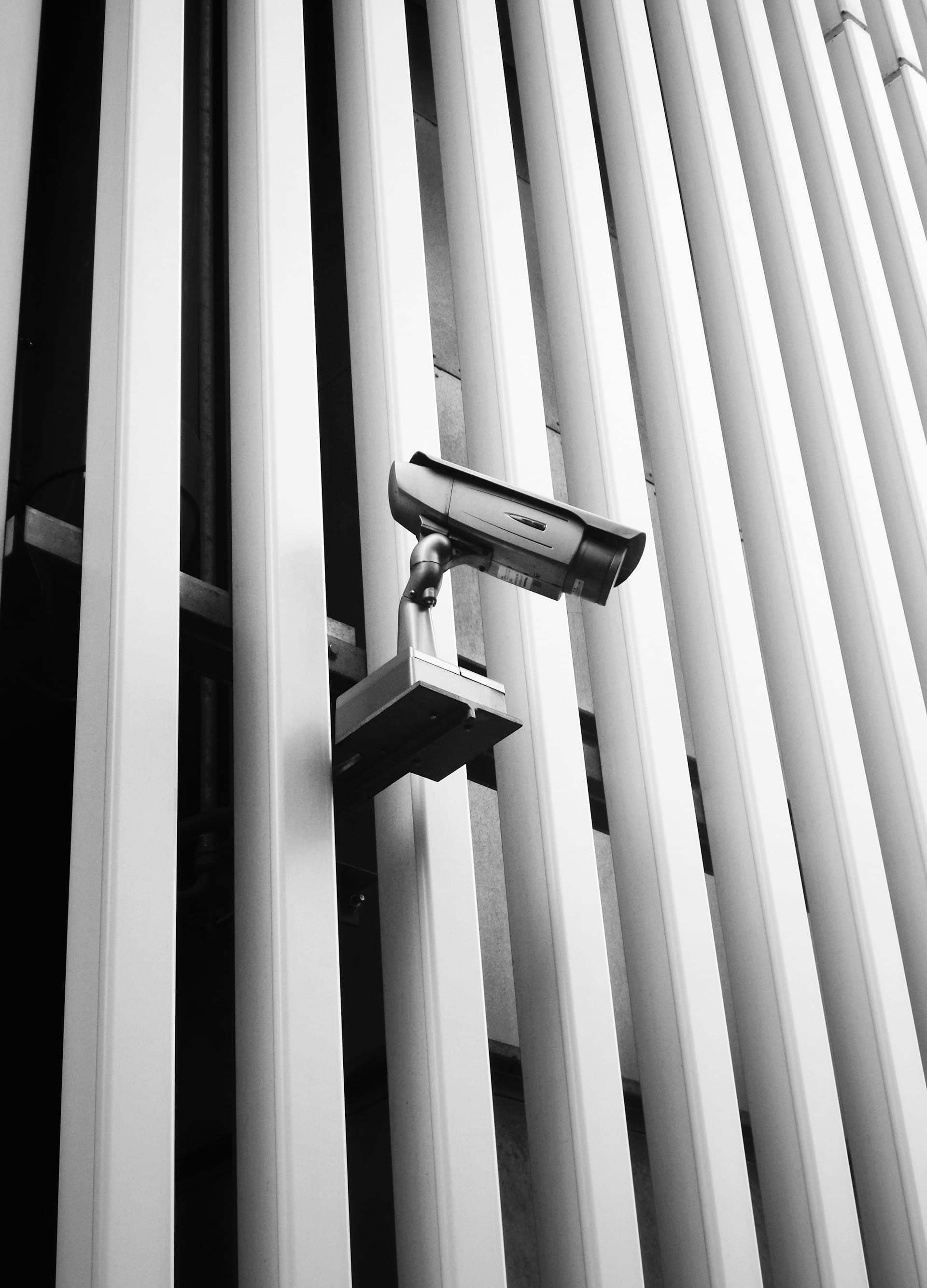
A single RGB frame like the one below can look completely unremarkable — nothing in it flags an issue on its own. The value only shows up once that frame is read alongside its thermal and vibration counterparts, captured from the same physical moment.

Why We Show the Raw Inputs, Not Just the Output
It's easy to present perception systems as a black box that outputs a clean "normal / anomaly" flag. We think it's worth being transparent about what's actually going into that call — because trusting a system's output starts with understanding what it can and can't see.